
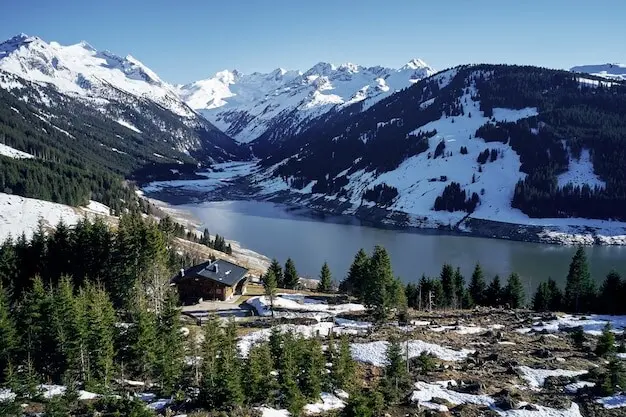
Designing Silence in the Julian Alps

Step into an off-grid cabin vision tailored for the Julian Alps, where low-impact choices and near-silent technologies safeguard fragile alpine soundscapes. From snow-savvy orientation to whisper-quiet energy, this journey shows how independence, comfort, and mountain stewardship can coexist without fumes, hums, or heavy footprints, honoring the peaks, forests, and clear night skies that make this range unforgettable.

Reading the Mountain: Site, Climate, and Silence

Placing a cabin in the Julian Alps begins with listening—watching wind rake the ridgelines, mapping winter shade cast by spruces, and noting where snow lingers longest after storms. Meaningful decisions grow from patient observation: safe approaches, restful views, and microclimates that welcome sunlight while protecting quiet, wildlife movement, and year-round comfort without powered intervention.
South-facing glazing gathers rare winter light, while deep eaves temper summer glare that pours across limestone shoulders. Careful siting favors morning sun that melts ice near entries, preserves shade for snow storage, and frames Triglav’s ramparts without overheating. A simple seasonal sun path sketch avoids mechanical compensation, translating daylight into warmth, clarity, and serene indoor rhythms.
Prevailing winds accelerate through saddles; a slight rotation and windbreak of larch can quiet gusts before they drum the walls. Roof pitches and snow guards guide drifts off safely, protecting porches that work as airlocks. Approach trails curve above avalanche runouts, staying visible after storms. Every quiet, deliberate path reduces shoveling, stress, and structural strain over long winters.

Building Lightly: Structures, Materials, and Foundations

A resilient alpine cabin can arrive with a small footprint by championing local timber, reversible connections, and foundations that tread softly. Regional larch or spruce offers strength, while stone accents store sunlit heat. Helical piers or stone pads minimize excavation, allowing restoration without scars. Each assembly favors repairability, acoustic calm, and low embodied carbon befitting a protected mountain setting.

Timber and Stone from Nearby Valleys

Sustainably harvested larch, milled within the region, pairs with locally gathered stone to anchor form and memory. Moisture-tuned beams resist alpine cycles, while dense stone benches lend thermal ballast beside picture windows. Joinery that celebrates craft avoids excessive metal, simplifying future disassembly. Materials gain meaning when carried a short distance, not continents, amplifying place, silence, and stewardship.

Foundations That Leave No Scar

Where soils allow, screw piles or helical piers twist into the earth, avoiding spoils and concrete trucks. They can be removed later, leaving living roots and fungal networks mostly intact. On rocky shelves, dry-laid stone pads float the structure above frost, inviting airflow and discouraging rot. The cabin stands lightly, resilient to thaws, and respectful when someday removed.

Envelopes That Whisper in Winter

Airtight layers, taped carefully, let insulation truly work while silencing errant drafts that whistle around eaves. Dense-pack cellulose muffles wind noise and footfalls, while triple glazing with warm-edge spacers holds views steady against storms. Flexible gaskets around doors close softly, preventing rattles on gusty nights. The building envelope becomes a quiet instrument, tuned for clarity and warmth.

Power Without a Buzz: Energy Systems You Barely Notice

Electric independence should barely announce itself. Photovoltaics slip along the roofline, snow-shedding with helpful tilt. If permitted, a micro-hydro thread may assist during thaw, tucked away in an insulated housing. A compact LiFePO4 bank sits distant from sleeping spaces, while DC appliances sip gently. Rubber isolators, thoughtful cable routing, and equipment zoning protect quiet, ensuring comfort without drone.

Windows, Shading, and Views Without Glare

High-solar-gain glazing faces south for winter warmth; exterior shutters and deep eaves tame summer peaks. Light shelves bounce brightness deep inside, reducing the need for fixtures. Bird-safe patterns guard visitors on the wing. Frames align with mountain silhouettes, shaping calm sightlines. Everything conspires to cradle the eye gently, letting peak, forest, and cloud arrive without fatigue or flicker.

Fresh Air, No Drafts

A compact heat-recovery ventilator with ECM fans and lined ducts hushes airflow while reclaiming warmth from exhaled breath and cooking. Inlets rise above drifting snow, screened and drained. Transfer grilles ensure door-closed balance. The sensation is clarity, not breeze; alpine resin, not cold rush. Filters swap quietly with the seasons, keeping pollen low and lungs contented all winter.

Heat That Hums at a Whisper

Low-temperature radiant loops thread underfoot, paired with a modest solar-thermal tank for sunny stretches. On deep-freeze nights, a small catalytic wood stove steps in, burning clean, with a flue wrapped in insulation and braced against vibration. Thermal mass moderates swings. Heat becomes companionship, not spectacle—steady, tender warmth that respects conversation, sleep, and falling snow outside the glass.

Water, Waste, and the Cycle of Care

Quiet systems safeguard fragile headwaters. A metal roof guides snowmelt and rain to first-flush diverters, then to a buried cistern cradled in frost-aware insulation. Gravity handles most delivery to taps. Inside, careful filtration and ultraviolet purification keep life simple. Composting and constructed wetlands complete the cycle, closing loops without motors, odors, or disturbance to alpine soils and streams.

Rain, Roofs, and Cisterns with Quiet Confidence

Snow guards choreograph slides safely, preventing gutter damage while feeding collection. Leaf screens and calm inlets seat water gently, minimizing sediment. The cistern nestles below frost depth, wrapped for quiet thermal stability. A hand gauge and overflow stone swale express levels honestly. Gravity-fed lines, sloped and insulated, deliver without pump chatter, reminding daily that patience gathers abundance drop by drop.

Clean Water Inside, Clear Streams Outside

Sediment, carbon, and ultraviolet stages polish drinking water silently, with bypasses for maintenance. Flow restrictors and aerators reduce demand, shrinking system size. Winter protection includes drainable spigots and short interior pipe runs clustered around a warm core. By using less, you protect more; the nearby stream stays cold and laughing, undisturbed by drawdowns or humming machinery on its banks.

Waste Systems that Respect Soil and Silence

A urine-diverting composting toilet relies on a passive vent stack warmed by sun, no fans required. Greywater filters through mulch basins or a compact wetland of native sedges, staged for freezing resilience. Occasional biochar additions sweeten biology. The process is odor-free, neighborly to roots, and utterly quiet, turning yesterday’s baths into tomorrow’s flowers with humble precision and care.

Building and Living Responsibly: Logistics, Safety, and Community

Getting there lightly matters as much as living there wisely. Prefabricated panels ride up in manageable sections on sleds or sturdy pack frames, timed for dry trails or firm snowpack. Crews coordinate with local guides and authorities, respecting closures and nesting seasons. Training, maintenance, and neighborly exchange anchor the project, growing resilience long after the final fastener turns.
Loronarilumalentozavofari
Privacy Overview

This website uses cookies so that we can provide you with the best user experience possible. Cookie information is stored in your browser and performs functions such as recognising you when you return to our website and helping our team to understand which sections of the website you find most interesting and useful.